
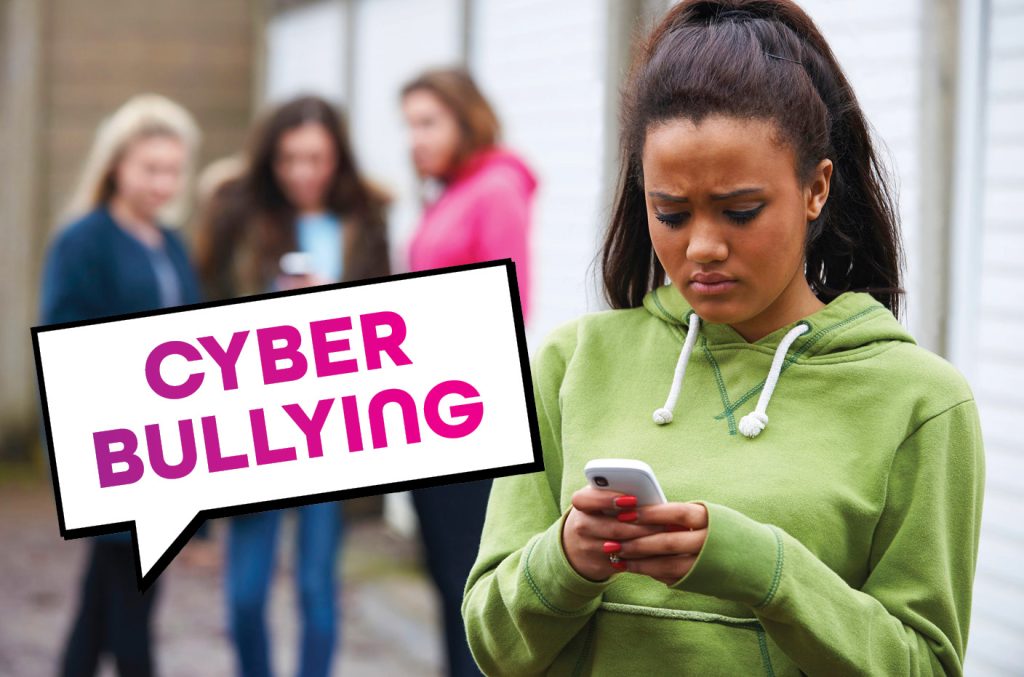
Warning Signs Your Child Is Being Bullied at School
A Comprehensive 2025 Parent’s Guide to Identifying, Understanding, and Addressing School Bullying
Understanding the Silent Language of Distress
As parents, we envision school as a nurturing environment where our children grow, learn, and develop healthy relationships. Unfortunately, for an estimated 1 in 5 students, school becomes a source of anxiety, fear, and emotional trauma due to bullying. Recognizing the warning signs of bullying represents one of the most critical responsibilities of modern parenting. Children often conceal their experiences out of shame, fear of retaliation, or concern about disappointing their parents. This comprehensive guide examines the subtle and overt indicators that your child may be facing bullying, providing evidence-based strategies for intervention and support.
12 Critical Warning Signs Every Parent Should Know
Bullying manifests through behavioral, emotional, physical, and social changes. These signs often appear gradually, making them easy to dismiss as normal childhood development or temporary phases. However, recognizing these patterns can mean the difference between early intervention and prolonged suffering.
Behavioral Withdrawal
A once outgoing, engaged child becomes noticeably withdrawn, sullen, or reluctant to participate in family activities. This represents one of the most common indicators, as bullied children often retreat into themselves as a protective mechanism.
Academic Decline
Sudden drops in grades, incomplete homework, or expressed disinterest in schoolwork may indicate bullying-related stress. Cognitive resources depleted by anxiety and fear compromise a child’s ability to concentrate and perform academically.
Unexplained Physical Symptoms
Frequent complaints of headaches, stomachaches, or other physical ailments without medical cause often represent somatic expressions of psychological distress. These symptoms frequently peak on school days and diminish during weekends or holidays.
Social Isolation
Noticeable reduction in social interactions, loss of previously close friendships, or reluctance to discuss peer relationships may indicate social exclusion or relational aggression targeting your child.
Sleep Pattern Disruption
Difficulty falling asleep, frequent nightmares, bedwetting in previously toilet-trained children, or excessive sleeping may reflect anxiety about facing bullies at school the next day.
Damaged or Missing Belongings
Regularly torn clothing, “lost” or damaged school supplies, electronic devices, or personal items may indicate physical bullying or property destruction by peers.
Emotional Volatility
Uncharacteristic anger outbursts, frequent crying spells, irritability, or expressions of hopelessness often signal the emotional toll of persistent bullying.
School Avoidance
Fabricated illnesses, frequent requests to stay home, or extreme distress about attending school represent avoidance behaviors commonly exhibited by bullied children.
Changes in Eating Habits
Significant appetite changes, skipping meals (particularly breakfast or lunch), or coming home excessively hungry may indicate anxiety-related eating disruptions or lunchtime isolation.
Altered Routes or Timing
Requesting different transportation methods, changing walking routes, or wanting to arrive exceptionally early or late to school may represent attempts to avoid bullies.
Diminished Self-Esteem
Increased negative self-talk, expressions of worthlessness, or reluctance to try new activities may indicate internalized bullying messages affecting self-perception.
Digital Behavior Changes
Sudden anxiety about notifications, reluctance to use devices, or deleting social media accounts may signal cyberbullying experiences occurring beyond school hours.
Emergency Red Flags Requiring Immediate Intervention
While all bullying signs warrant attention, certain indicators represent urgent safety concerns requiring immediate action:
- Unexplained injuries, bruises, or cuts with inconsistent explanations
- Self-harm behaviors including cutting, burning, or hitting oneself
- Suicidal ideation or statements about wanting to die or disappear
- Extreme weight loss or gain over a short period
- Complete social withdrawal lasting more than two weeks
- Possession of weapons or expressed plans for retaliation
If you observe any of these signs, contact mental health professionals immediately and ensure your child’s physical safety.
Proven Parental Response Strategies
When you suspect or confirm bullying, your response significantly influences your child’s recovery and resilience. Research indicates that supportive parental interventions can reduce long-term psychological impacts by up to 60%.
Create a Safe Communication Environment
Initiate conversations during low-pressure activities like driving or walking. Use open-ended questions (“How was lunch today?” rather than “Were you bullied?”). Validate feelings without immediately jumping to solutions.
Document Everything Systematically
Keep a detailed log including dates, times, locations, involved individuals, specific behaviors, and observable impacts. This documentation becomes crucial when engaging school authorities or professionals.
Engage School Resources Strategically
Schedule meetings with teachers, counselors, and administrators. Present documented evidence calmly and collaboratively. Request specific action plans with follow-up timelines rather than generic assurances.
Build Resilience and Social Capital
Help your child develop competencies in areas of interest (arts, sports, academics) to bolster self-esteem. Facilitate connections with supportive peer groups outside the school environment.
Implement Professional Support When Needed
Child psychologists, therapists, and bullying specialists provide evidence-based coping strategies and emotional processing support. Early intervention prevents symptom escalation.
What Not to Do: Common Parental Mistakes
Avoid these well-intentioned but counterproductive responses:
- Minimizing the experience: “Just ignore them” or “It’s just part of growing up” invalidates your child’s pain.
- Confronting the bully’s parents directly: This often escalates conflict; work through proper channels instead.
- Encouraging retaliation: Teaching violence as response perpetuates cycles of aggression.
- Overly emotional reactions: Your child may stop sharing to protect you from distress.
- Immediate school transfers: While sometimes necessary, this should be a last resort after exhausting intervention options.
Digital Vigilance: Recognizing Cyberbullying Indicators
In 2025, 72% of school bullying incidents have a digital component. Cyberbullying extends harm beyond school hours into the perceived safety of home. Watch for these specific signs:
Device Anxiety
Nervousness when receiving notifications, reluctance to check devices, or hiding screens when others approach.
Account Behaviors
Suddenly deleting social media accounts, creating new anonymous profiles, or excessive account privacy settings.
Online Reputation Searching
Excessive searching of one’s own name online or asking others what’s being said about them digitally.
Proactive Digital Parenting: Establish device usage agreements, maintain open access to accounts (with your child’s knowledge), and utilize parental monitoring tools that respect privacy while ensuring safety. Teach digital citizenship emphasizing that online behaviors have real-world consequences.

President of ReportBullying.com | 20 Years of Experience
Jim Jordan has dedicated two decades to helping parents, schools, and communities effectively address bullying. As a leading authority in the field, he has assisted over 15,000 families in navigating bullying situations and has trained school staff in all 50 states.
Author of four influential books on bullying prevention, including the parent-focused guide “Seeing the Unseen: Recognizing When Your Child Is Hurting,” Jim provides evidence-based strategies that balance empathy with effective intervention. His approach emphasizes early detection, collaborative problem-solving, and resilience building.
Recognized by the National Parent Teacher Association for his groundbreaking work, Jim’s methods have been implemented in school districts nationwide, resulting in measurable reductions in bullying incidents and improved student wellbeing.
Consult with Jim JordanDirect email: office@reportbullying.com | Typically responds within 24 hours