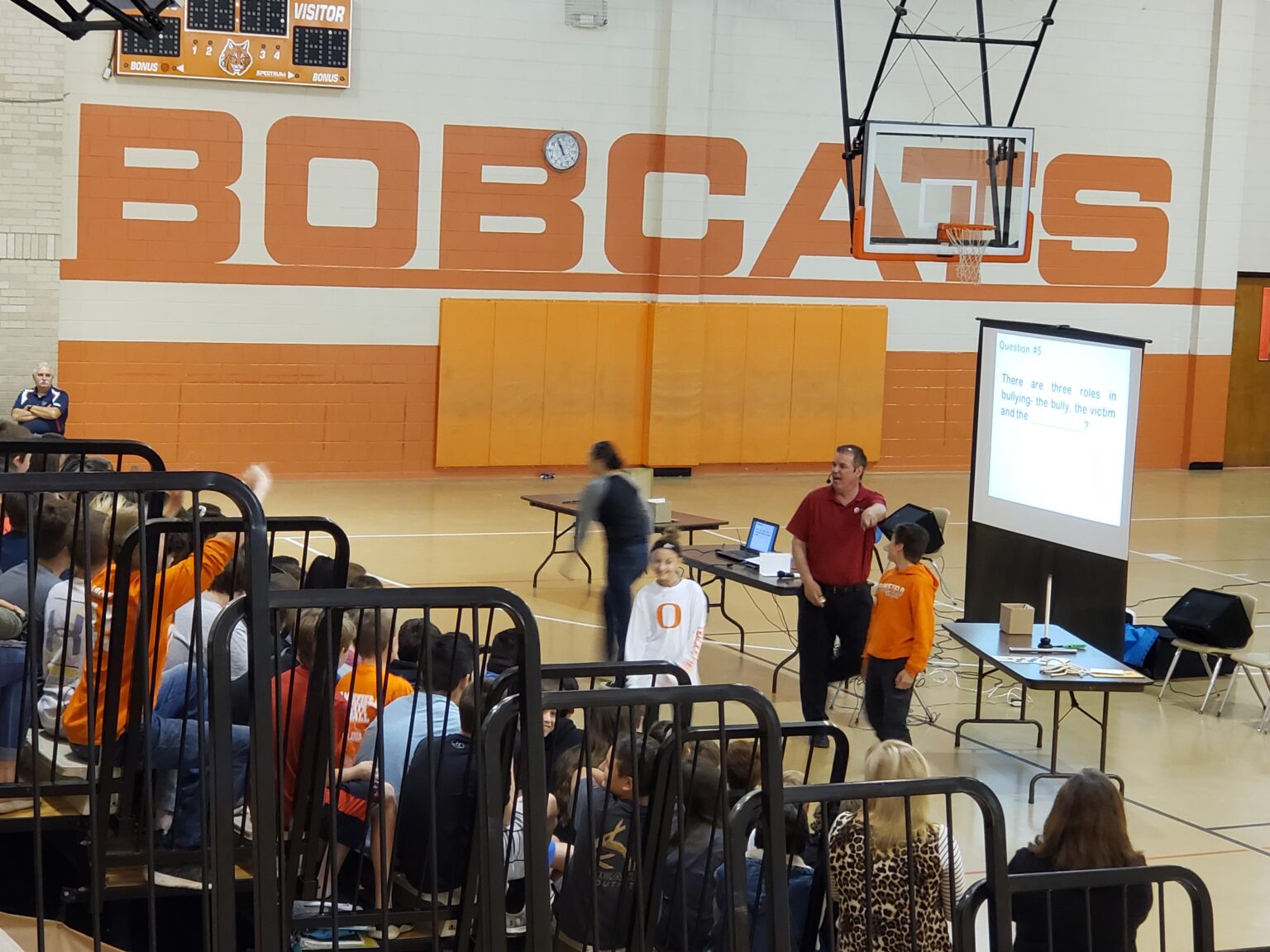
Community-Wide Bullying Prevention
A Collective Responsibility for Creating Safe Schools and Communities
Waking Up to the Reality of Bullying
Bullying is not just a bad dream which will be over when you wake up. It is a nightmare which will go away only if we all open our eyes to this reality and choose to look out through all the windows.
The prevalence of bullying in schools and communities across America demands immediate attention and coordinated action. Unlike isolated incidents that resolve themselves, bullying is a systemic issue that requires systemic solutions. Every stakeholder in our communities—from educators to law enforcement, from parents to students themselves—must recognize their role in prevention and intervention.
Understanding the Scope of the Problem
Research shows that bullying affects millions of students each year, with far-reaching consequences that extend beyond childhood. Victims of bullying experience decreased academic performance, increased anxiety and depression, and in severe cases, may contemplate or attempt self-harm. The ripple effects touch entire school communities, creating atmospheres of fear and mistrust that inhibit learning and growth.
However, the solution is within our grasp. When communities unite with a shared commitment to safety and respect, dramatic improvements are possible. Schools that implement comprehensive anti-bullying programs see significant reductions in incidents, improved school climate, and better academic outcomes for all students.
The Essential Role of Each Stakeholder
School Boards and Educational Institutions
School Boards, along with the State boards and Ministry of Education, must demonstrate that bullying prevention is a board-wide priority and they need to provide the required support and resources for schools and offer community wide bullying prevention programs including reporting systems, tracking systems and character education.
This commitment must go beyond policy statements. It requires dedicated funding for prevention programs, ongoing professional development for staff, and the implementation of evidence-based interventions. Schools need clear protocols for reporting, investigating, and responding to bullying incidents, as well as comprehensive data tracking systems to monitor trends and measure program effectiveness.
Educational institutions should also prioritize character education that emphasizes empathy, respect, and responsible digital citizenship. By integrating these values into daily instruction and school culture, we create environments where bullying becomes socially unacceptable.
Parents and Families
As parents, if our child is getting bullied or our child is the one who is responsible for the bullying, either way, we have a huge role to play and cannot evade our responsibility. We need to step back and look at ourselves; making sure we are serving as positive role models in being the best parents that we can be.
Parents must maintain open lines of communication with their children, creating safe spaces where kids feel comfortable discussing their experiences. This means asking specific questions about their day, noticing changes in behavior or mood, and taking their concerns seriously when they do come forward.
Additionally, parents should model the behavior they want to see. Children learn by example, so demonstrating kindness, empathy, and conflict resolution skills in daily life teaches valuable lessons. Parents should also familiarize themselves with their school’s anti-bullying policies and maintain regular communication with teachers and administrators about their child’s social experiences.
Students and Bystanders
Our children might be innocent bystanders today, but tomorrow they could become the victim/target. We need to encourage them to speak up and report bullying when they see it or if it happens to them; reinforcing good character values.
Student bystanders hold tremendous power in bullying situations. Research consistently shows that when peers intervene or report bullying, incidents decrease significantly. We must empower students with the knowledge that staying silent makes them part of the problem, while speaking up makes them part of the solution.
Schools should teach students specific strategies for safe intervention, such as supporting victims privately, reporting incidents to trusted adults, and refusing to participate in or amplify bullying behavior. Creating a culture where reporting is seen as courageous rather than “snitching” is essential for student buy-in.
Law Enforcement and Community Partners
Finally, the police. The police are the lynch pin to creating a safe community. The police have relationships with students, parents, teachers and the community. When the police demonstrate that bullying is not acceptable in their communities, it sends a clear message to everyone that the police are proactive.
Law enforcement officers serve as important role models and authority figures in students’ lives. Through school resource officer programs, community outreach initiatives, and educational presentations, police can build trust with young people while reinforcing the serious consequences of bullying behavior.
When bullying crosses into criminal behavior—such as assault, threats, or cyberbullying that involves harassment or exploitation—law enforcement must be prepared to intervene appropriately. This balanced approach helps students understand that while schools prioritize education and rehabilitation, certain behaviors have legal consequences that extend beyond the schoolyard.
Creating Lasting Change Through Collective Action
Principals, teachers, parents, students and adults shape the school and community climate and are all responsible for serving in creating a respectful, safe environment. We all need to make a paradigm shift and start working together as a community and understanding that if bullying happens everywhere, it needs to be addressed by everyone. It’s a collective responsibility which we all must learn, to speak up and report bullying.
Key Action Steps for Communities
- Establish clear reporting mechanisms that are accessible, confidential, and responsive
- Implement comprehensive prevention programs that address the root causes of bullying behavior
- Provide ongoing training for educators, staff, and parents on recognizing and responding to bullying
- Foster positive school climate through relationship-building activities and inclusive practices
- Track and analyze data to identify trends, hot spots, and measure program effectiveness
- Engage students as partners in prevention through peer mentoring and leadership opportunities
- Create accountability systems that ensure consistent enforcement of anti-bullying policies
- Build community partnerships with mental health providers, youth organizations, and civic groups
The Path Forward
Don’t be part of the problem; be part of the solution. This simple yet powerful statement encapsulates the choice each of us faces daily. Every time we witness unkindness and choose to intervene rather than ignore it, we contribute to positive change. Every time we teach our children empathy and respect, we invest in a better future. Every time we advocate for stronger anti-bullying policies and programs, we help create safer communities.
The fight against bullying is not someone else’s responsibility—it is everyone’s responsibility. When we work together with shared purpose and commitment, we can transform our schools and communities into places where all children feel safe, valued, and empowered to reach their full potential. The time for action is now, and the power to create change rests in our collective hands.
Featured Speaker: Jim Jordan
President of ReportBullying.com
Jim Jordan brings 20 years of experience in anti-bullying education and prevention. As a recognized expert in school safety, he has written four comprehensive books on bullying and is acknowledged by principals all across the USA as the best School Anti-Bullying Speaker.
His evidence-based approach combines practical strategies for parents, educators, and students, creating safer school environments and empowering communities to take action against bullying. Jim’s presentations have transformed countless schools and helped thousands of families develop the tools they need to prevent and address bullying effectively.