
The Power of Bystanders in Bullying Prevention
Why Everyone Has a Role to Play in Creating Safe Communities
A Doctor’s Alarming Discovery About Bullying
I was diagnosed with type 1 diabetes over 10 years ago, because of my disease; I have many appointments with my family doctor. I have to say that I truly have the best family doctor around; maybe I’m a little biased.
One day when visiting, my doctor opened the door to my room and said “Can you believe all the kids who have been bullied”? (You see my doctor knew that I spoke on bullying at schools.) First I was shocked because I live in a great city and I feel very safe wherever I go. I asked him how he knew about so many bullying cases. He replied back that every week he gets many children coming into his office with physical or emotional issues. You see the children who become victims/targets of bullying were too scared to speak up to their parents. The reason their parents made an appointment to come to the doctors in the first place was because, either the child was not sleeping well, or they were telling their mom that they weren’t feeling well so they didn’t have to go to school, or had actually become depressed.
After a short talk with the doctor, the child would open up and tell him why they are feeling the way they were. Of course, my doctor did not divulge any private information but just shared the fact that bullying is a serious problem, it is real and it is all around us.
The Hidden Epidemic in Doctor’s Offices
This revelation from a family physician reveals a troubling truth: bullying is often a silent epidemic that manifests in unexpected places. Medical professionals across the country are increasingly reporting similar experiences—children presenting with physical symptoms that mask deeper emotional trauma caused by bullying.
The physical manifestations of bullying-related stress include headaches, stomachaches, insomnia, fatigue, and a weakened immune system. When children feel unsafe at school, their bodies respond with genuine illness. Parents, not realizing the underlying cause, seek medical attention for what they perceive as physical ailments, only to discover that emotional pain is at the root of their child’s suffering.
That is why as parents, we need to really pay attention to our children and demonstrate our integrity so that our children trust us that we will protect them and follow through.
Warning Signs Parents Should Never Ignore
Understanding the signs that your child may be experiencing bullying is crucial for early intervention. Children rarely come right out and say they’re being bullied; instead, they communicate through changes in behavior and physical complaints. Watch for unexplained injuries, lost or destroyed belongings, frequent requests to stay home from school, declining grades, loss of appetite, difficulty sleeping, or withdrawal from family and friends.
Equally important is creating an environment where children feel safe confiding in you. This means maintaining open communication, asking specific questions about their school day rather than generic “how was school?” queries, and responding with support rather than judgment when they do share difficult experiences.
Take note of the many YouTube videos that victims are creating are asking us to stop, to listen and to help.
BYSTANDERS
You may wonder why we need to focus on the behavior of bystanders. That is because we may not all be bullies or victims but one thing we all know for sure is that we’re all bystanders at one time or another.
We must understand that since we’re all bystanders, all of us have a role to play; because as bystanders we also are affected by this bullying behavior. When we do not respond as a bystander to bad behavior, it affects other people. However, we must remember that we can also choose to respond correctly and affect other people in a positive way.
Understanding the Bystander Effect in Bullying
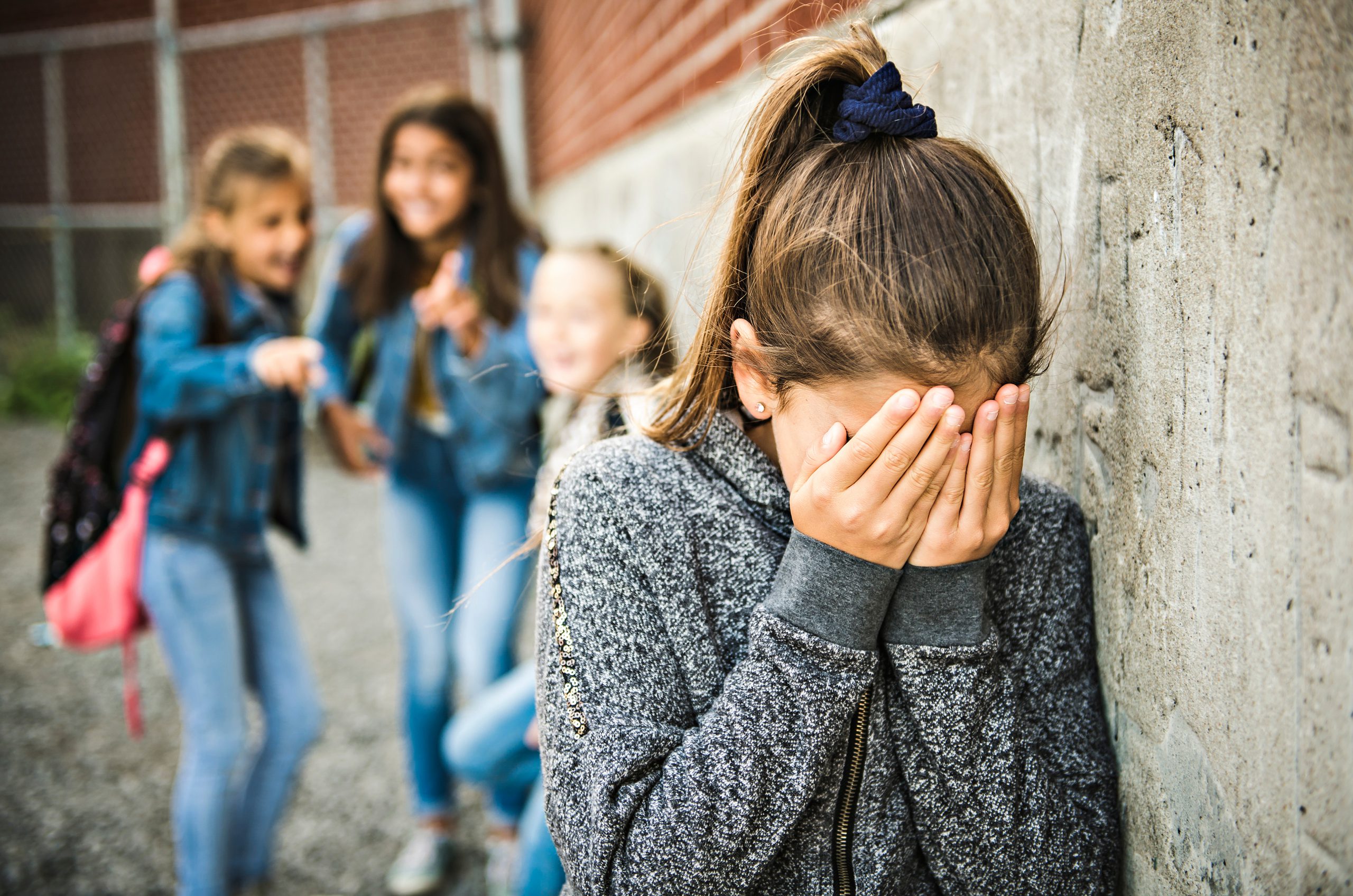
Bullying situations usually involve more than the bully and the victim. They also involve bystanders—those who watch bullying happen or hear about it but don’t report it.
The strategy at Reportbullying.com focuses on the powerful role of the bystander. Depending on how bystanders respond, they can either contribute to the problem or be the solution. Bystanders rarely play a completely neutral role, although they may think they do.
Why Bystanders Are the Key to Prevention
Research has consistently shown that bystander intervention is one of the most effective tools for stopping bullying. When peers speak up, refuse to participate, or report incidents to adults, bullying decreases significantly. In fact, studies indicate that when bystanders intervene, bullying stops within 10 seconds more than half the time.
The power of bystanders lies in numbers. Bullies often perform for an audience, seeking social status and peer approval. When that audience refuses to be complicit—when students make it clear that bullying is not acceptable—the behavior loses its appeal. Conversely, when bystanders remain silent, laugh along, or share content online, they inadvertently reinforce the bully’s behavior and signal that such actions are tolerated.
Types of Bystanders
Not all bystanders respond to bullying in the same way. Understanding the different roles helps us develop targeted interventions:
- Assistants – Those who actively join in the bullying behavior once it starts
- Reinforcers – Those who provide an audience by watching and laughing, encouraging the bully
- Outsiders – Those who witness bullying but do nothing, remaining passive observers
- Defenders – Those who actively intervene to help the victim or report the incident
Our goal is to transform assistants, reinforcers, and outsiders into defenders. This requires education, empowerment, and creating a culture where intervention is expected and celebrated.
Breaking Through Bystander Barriers
Many bystanders want to help but face significant barriers. Common obstacles include fear of becoming the next target, uncertainty about what to do, belief that it’s not their business, or assumption that someone else will intervene. Some students worry about being labeled a “snitch” or losing social status.
Addressing these barriers requires a comprehensive approach. Schools must create safe reporting mechanisms, teach specific intervention strategies, clearly communicate that reporting bullying is courageous not cowardly, and ensure that students who report are protected from retaliation. When students see that their actions lead to positive outcomes and that adults take their reports seriously, they’re more likely to continue speaking up.
Practical Strategies for Bystander Intervention
Effective bystander intervention doesn’t always mean direct confrontation, which can sometimes escalate situations or put the bystander at risk. Instead, students should be taught multiple strategies:
- Direct intervention – When safe to do so, telling the bully to stop in a calm, assertive manner
- Distraction – Interrupting the situation by changing the subject or creating a diversion
- Delegation – Getting help from an adult or authority figure
- Support – Checking in with the victim privately, offering friendship and support
- Digital responsibility – Refusing to share, like, or comment on cyberbullying content; reporting harmful posts
Creating a Culture of Upstanders
Moving from a culture of passive bystanding to active “upstanding” requires sustained effort from schools, families, and communities. This transformation happens when we celebrate students who demonstrate moral courage, when we make reporting easy and safe, when we teach empathy and perspective-taking, and when we consistently enforce consequences for bullying behavior.
The bystander approach recognizes a fundamental truth: we cannot eliminate bullying by focusing solely on bullies and victims. We must engage the entire peer group, empowering the silent majority to use their collective voice for positive change. When students understand their power and responsibility, when they see themselves as protectors rather than spectators, we create environments where bullying cannot thrive.
Every student will be a bystander at some point. The question is: what kind of bystander will they be? Will they contribute to the problem through their silence, or will they be part of the solution through their courage? The choice—and the power to create change—rests with them.

Featured Speaker: Jim Jordan
President of ReportBullying.com
Jim Jordan brings 20 years of experience in anti-bullying education and prevention. As a recognized expert in school safety, he has written four comprehensive books on bullying and is acknowledged by principals all across the USA as the best School Anti-Bullying Speaker.
His evidence-based approach combines practical strategies for parents, educators, and students, creating safer school environments and empowering communities to take action against bullying. Jim’s presentations have transformed countless schools and helped thousands of families develop the tools they need to prevent and address bullying effectively.
