
Parent Involvement in Reducing Bullying
Parents Are Not Spectators. They Are Essential Partners in Reducing School Bullying.
Bullying prevention does not stop at the school door. Students bring their experiences, habits, emotions, online conflicts, family values, and social pressures with them every day. That is why parent involvement is one of the most important parts of reducing bullying. When schools book Jim Jordan from ReportBullying.com for a parent presentation, families receive a practical, direct, and eye-opening session about their role in building safer schools and stronger children.
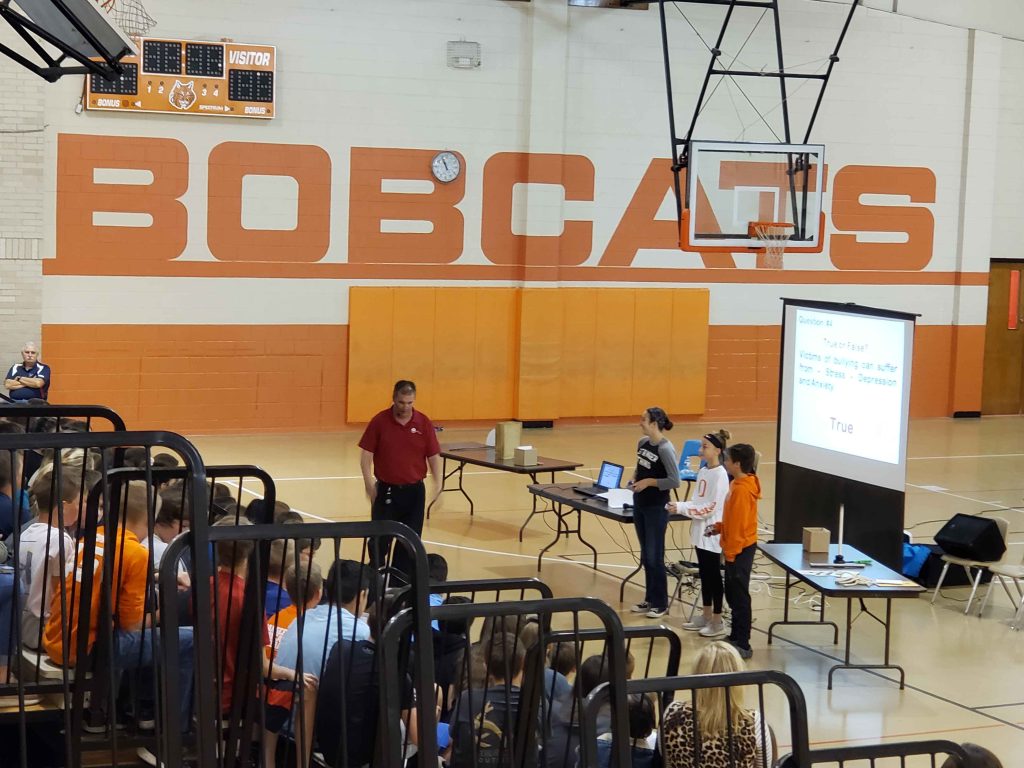
Bring Parents Into the Anti-Bullying Conversation
Jim Jordan helps parents understand school bullying, cyberbullying, warning signs, reporting, communication, and the powerful role families play in shaping student behaviour.
Bullying Is a Community Problem, Not Just a School Problem
Schools work hard to create safe learning environments, but bullying prevention cannot be carried by administrators and teachers alone. A child’s behaviour is shaped by many influences: home life, peer pressure, online activity, social media, sports teams, friend groups, neighbourhood relationships, and the way adults model communication. When parents are not included in the conversation, a major part of the solution is missing.
Parent involvement matters because students do not live separate lives at school and at home. A cruel message sent at night can affect the next morning in class. A conflict that begins on the playground can continue at home through texting or social media. A child who is afraid to report bullying at school may show signs of stress, anger, avoidance, or withdrawal at home first. Parents are often the first people who notice that something has changed.
Jim Jordan’s parent presentation helps families move from concern to action.
The goal is not to blame parents, frighten parents, or overwhelm parents. The goal is to help parents understand what bullying looks like today, how it affects children, what warning signs to watch for, how to respond calmly, and how to work with the school instead of against it.
Parents See What Schools May Miss
Children may hide bullying at school, but changes often show up at home. Sleep issues, emotional changes, sudden friendship problems, school avoidance, anger, anxiety, and device secrecy can all be signals that a child needs support.
Home Behaviour Affects School Culture
Children learn how to treat others by watching adults. The way parents handle conflict, gossip, anger, teasing, respect, and accountability can influence how children behave with classmates.
Schools and Parents Need One Message
Bullying prevention is stronger when parents and schools use consistent language. Students benefit when adults agree that bullying, harassment, intimidation, exclusion, and online cruelty are not acceptable.
What Jim Jordan Teaches Parents About Their Role
Jim Jordan’s parent bullying prevention session is designed to be practical and easy to understand. Parents do not need a lecture filled with theory. They need clear language, real examples, and realistic strategies they can use with their children. The presentation helps parents understand that their role is not limited to reacting after something serious happens. Parents can help prevent bullying by modelling positive behaviour, building trust, teaching children how to report, watching for warning signs, and staying connected with the school.
How to Talk With Children About Bullying
Many parents are not sure how to begin the conversation. Some ask one quick question — “Are you being bullied?” — and stop when the child says no. Jim helps parents understand that better questions create better conversations. Parents learn to ask about lunch, recess, bus rides, group chats, friendships, exclusion, jokes, rumours, and how their child feels at school. These conversations work best when children know they will be heard without immediate panic, blame, or overreaction.
How to Recognize Warning Signs
Children do not always say, “I am being bullied.” They may say they feel sick before school, avoid certain activities, become angry after checking their phone, lose interest in friends, ask to stay home, or become unusually quiet. Jim’s parent session helps families look for patterns rather than isolated moments. One bad day may not mean bullying, but repeated changes in mood, routine, confidence, or social behaviour deserve attention.
How to Respond Without Making It Worse
Parents naturally want to protect their children. But reacting too aggressively, posting online, confronting another child, or attacking the school before gathering facts can make a situation harder to solve. Jim helps parents slow the process down. Parents learn to listen first, document details, ask who was involved, identify where and when it happened, preserve digital evidence, and contact the school with clear information.
How to Work With the School
Schools and families are most effective when they work as partners. Jim encourages parents to approach the school with facts, timelines, questions, and a desire for solutions. The goal is not to create a fight between home and school. The goal is to protect the child, stop the harmful behaviour, support accountability, and build a safer environment for everyone involved.
Why Parent Presentations Strengthen the Student Assembly
A student anti-bullying assembly is powerful, but the message becomes stronger when parents hear it too. Students may learn how to report, how to be an upstander, how to support someone being targeted, and why their choices matter. But when they go home, the conversation should not end. A parent presentation helps families understand the same message so they can reinforce it at home.
When parents understand the school’s anti-bullying message, they are more prepared to support it. They can ask better questions after the assembly. They can talk about what their child learned. They can remind their children that being a bystander is not the same as being neutral. They can reinforce the difference between normal conflict, rude behaviour, mean behaviour, and bullying. They can also help children understand that reporting is not weakness and not tattling when someone is being hurt, threatened, humiliated, or repeatedly targeted.
Parent involvement also helps reduce confusion. Without a shared understanding, parents may use the word bullying for every peer conflict, or they may dismiss serious behaviour as “kids being kids.” Both mistakes can create problems. Jim Jordan’s parent session helps families understand that bullying prevention requires clear thinking. Some situations require coaching and conflict resolution. Other situations require documentation, reporting, school involvement, and immediate support. Parents need to know the difference.
The most successful schools create a united front. Students hear the message from Jim Jordan during the assembly. Staff reinforce the message during the school day. Parents continue the message at home. That alignment is what makes the anti-bullying effort more credible and more likely to last.
From Parent Concern to Parent Action
Many parents care deeply about bullying but are unsure what to do. Jim Jordan’s parent session gives families a clear path from awareness to practical action.
1
Understand What Bullying Looks Like Today
Bullying can be physical, verbal, social, emotional, or digital. Parents learn that modern bullying may happen in hallways, classrooms, buses, playgrounds, sports teams, social media apps, gaming platforms, and private group chats.
2
Listen Before Reacting
Children need to know they can speak honestly without causing an immediate explosion. Jim teaches parents the importance of staying calm, listening carefully, and gathering details before deciding on the next step.
3
Document the Details
Parents are encouraged to record what happened, when it happened, where it happened, who was involved, who witnessed it, and whether there are screenshots, messages, or other evidence.
4
Communicate With the School
Parents learn how to approach the school with clear information and a solution-focused mindset. Strong communication helps the school respond more effectively and reduces unnecessary conflict.
5
Reinforce Positive Behaviour at Home
Parents are reminded that children watch adult behaviour. Respectful communication, accountability, empathy, and self-control at home can influence how children treat others at school.
The Parent’s Role When a Child Is Being Targeted
When a child is being bullied, parents often feel anger, fear, guilt, and urgency. Those feelings are understandable. But the child needs the parent to become steady, supportive, and strategic. A calm parent can help the child feel safer. A prepared parent can help the school understand what is happening. A patient parent can help the child regain confidence without making the situation more chaotic.
Believe and Support
A child who shares a bullying experience needs to feel believed and supported. Parents should thank the child for speaking up and reassure them that they are not alone.
Ask Clear Questions
Parents should gather facts without interrogating. Helpful questions include who was involved, what happened, where it happened, when it happened, how often it has happened, and who else saw it.
Preserve Evidence
In cyberbullying situations, screenshots, messages, usernames, dates, and times can matter. Parents should avoid deleting digital evidence before the school has the information it needs.
Contact the School Properly
Parents should communicate with the appropriate school contact and provide clear details. A focused message is usually more effective than an emotional accusation without information.
Protect the Child’s Confidence
Children who are targeted may feel embarrassed or powerless. Parents can help by reinforcing the child’s worth, maintaining routines, and connecting them with supportive adults and peers.
Follow Up Consistently
One conversation may not solve the issue. Parents should continue checking in with the child and the school until there is a clear plan and the child feels safer.
The Parent’s Role When a Child Is Bullying Others
One of the hardest moments for any parent is hearing that their child may be hurting someone else. It is natural to feel defensive, embarrassed, or shocked. But this moment can become an important turning point. Jim Jordan’s parent presentation helps families understand that accountability and support can happen at the same time.
Do Not Dismiss the Report
Parents should take reports seriously, even if the behaviour does not match how they see their child at home. Children can behave differently around peers, online, or in group settings. The first step is to listen and gather information.
Separate Shame From Accountability
A child can be held responsible without being labelled as a bad person. Parents can make it clear that the behaviour must stop while still helping the child learn, repair harm, and make better choices.
Look for Root Causes
Sometimes bullying behaviour is connected to peer pressure, insecurity, anger, family stress, social status, poor impulse control, or a desire to fit in. Understanding the reason does not excuse the behaviour, but it can help adults respond more effectively.
Teach Repair and Responsibility
Parents can help children understand the impact of their actions. Depending on the situation and school guidance, this may include apology, restitution, changed behaviour, loss of privileges, counselling support, or monitored digital activity.
Cyberbullying: Why Parents Must Be Involved
Cyberbullying has changed the way schools and parents must think about bullying. Hurtful behaviour no longer ends when the final bell rings. A student can be targeted at night, on the weekend, in a group chat, through gaming, through social media, or through shared images and screenshots. The emotional impact can follow the student into school the next day.
Parents play a critical role because much of this behaviour happens on devices outside direct school supervision. That does not mean schools have no role when online behaviour affects school safety, but it does mean parents must be part of the solution. Jim Jordan helps parents understand the importance of knowing what platforms their children use, setting expectations for online behaviour, preserving evidence, and teaching children not to participate in digital cruelty.
Cyberbullying prevention starts with supervision, communication, and clear expectations.
Parents do not need to monitor every second of a child’s digital life, but they do need to know enough to guide, protect, and intervene when necessary. Children should understand that online behaviour has real-world consequences.
Teach Before There Is a Crisis
Parents should talk about screenshots, privacy, group chats, rumours, threats, image sharing, and digital reputation before a serious incident occurs.
Do Not Delete Evidence Too Quickly
If a child is being targeted online, messages and screenshots may help the school or other authorities understand what happened.
Set Device Expectations
Clear rules around device use, respectful communication, late-night access, and app behaviour help children understand that digital spaces are not behaviour-free zones.
Why Schools Should Host a Parent Anti-Bullying Night
A parent anti-bullying night sends an important message: the school is not trying to solve bullying alone, and families are invited into the process. This is especially valuable after a student assembly because it gives parents the context they need to continue the message at home.
Parents often want to help but do not always know what the school is teaching students. A parent session closes that gap. It helps families understand the language students are hearing, the expectations the school is reinforcing, and the practical steps parents can take when their child is involved in a bullying situation as a target, bystander, or aggressor.
Hosting Jim Jordan for a parent session also shows leadership. It tells parents that the school is proactive, not reactive. It tells staff that the school wants family support. It tells students that adults are paying attention. And it helps create a shared standard: bullying prevention is everyone’s responsibility.
The parent presentation is especially useful for schools that want to build a whole-school approach. Students, teachers, administrators, and parents all influence school climate. When one group is left out, the message becomes weaker. When all groups are included, the message becomes stronger, clearer, and more consistent.
Parent Session Benefits
- Helps parents understand their role in reducing bullying
- Connects home expectations with school expectations
- Gives families practical language for hard conversations
- Improves communication between parents and schools
- Supports cyberbullying awareness and prevention
- Strengthens the impact of the student assembly
- Encourages a whole-community approach to student safety
Book Jim Jordan for a Parent Bullying Prevention Presentation
If your school wants real anti-bullying impact, include parents in the conversation. Jim Jordan from ReportBullying.com speaks to parents with clarity, compassion, and practical direction. The session helps families understand bullying, support their children, work with the school, and model the behaviours that create safer communities.
Frequently Asked Questions About Parent Involvement and Bullying
Why should parents attend an anti-bullying presentation?
Parents should attend because bullying prevention is stronger when home and school work together. A parent presentation helps families understand warning signs, reporting, cyberbullying, communication, and how to reinforce positive behaviour at home.
What does Jim Jordan teach parents?
Jim Jordan teaches parents how to recognize signs of bullying, talk with children, respond calmly, document incidents, work with the school, address cyberbullying, and model respectful behaviour at home.
Is the parent session only for parents of bullied children?
No. The session is for all parents. Every child may be affected by bullying as a target, bystander, friend, sibling, online participant, or someone who has used harmful behaviour. Every parent has a role.
Can this session be added to a student assembly day?
Yes. Many schools use parent sessions to extend the impact of the student anti-bullying assembly and bring families into the same prevention conversation.
Why is parent behaviour important?
Children learn from adult examples. When parents model respect, accountability, empathy, self-control, and responsible communication, those behaviours can influence how children treat others at school and online.