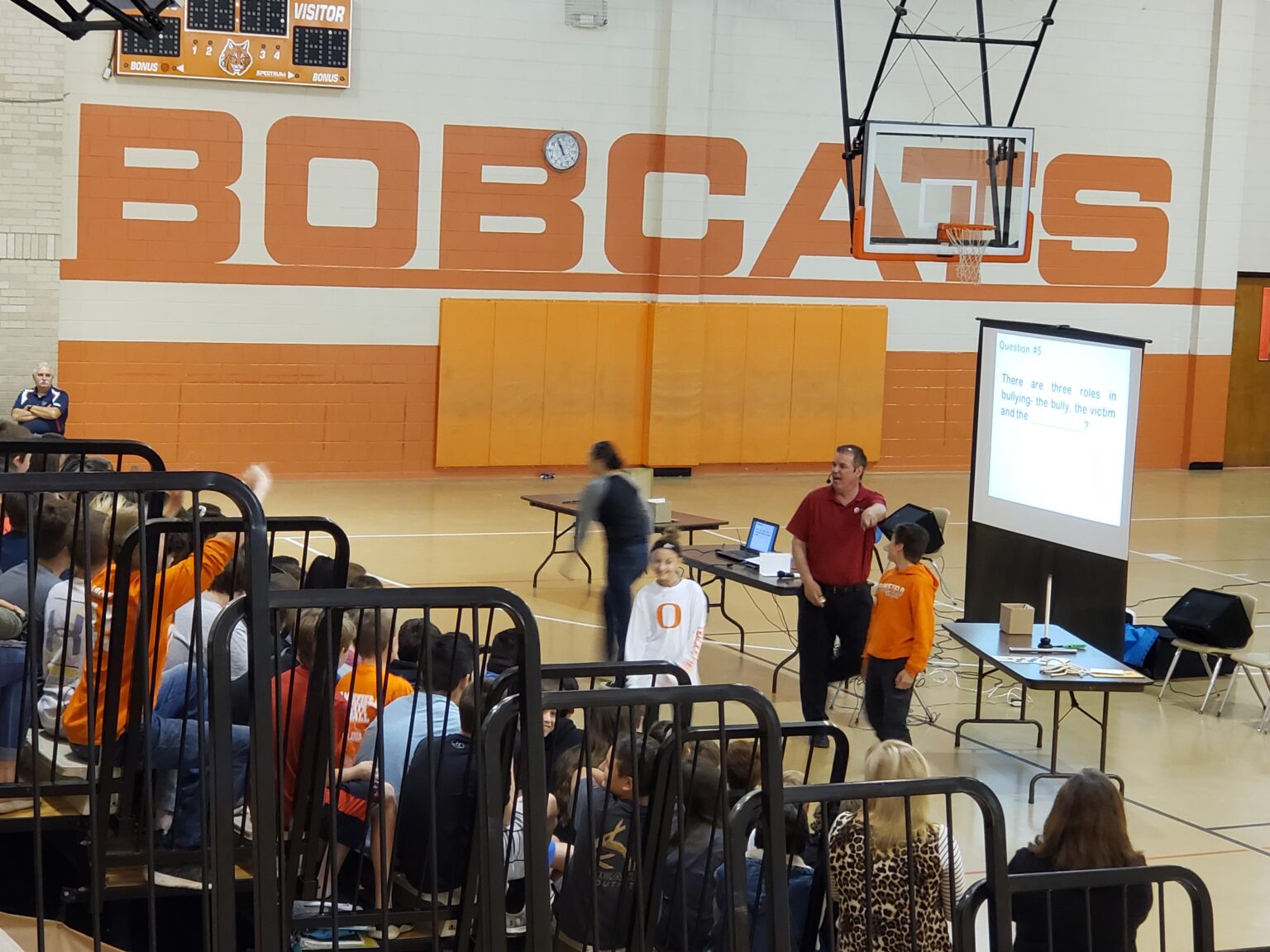
My Story: From Bullying Victim to Anti-Bullying Expert
How Personal Trauma Became a Mission to Help Others
A Personal Story of Fear, Silence, and Survival
Every expert in bullying prevention has a story that drives their passion. For some, it’s academic interest. For others, it’s professional duty. For me, it’s deeply personal. I was a victim of bullying throughout my childhood and adolescence, and one incident in particular changed the course of my life and ultimately led me to dedicate the past 20 years to helping others.
This is my story. I share it not for sympathy, but to help others understand the reality of bullying, the devastating role of bystander complicity, and why this work matters so much to me.
The Day That Changed Everything
It was in my junior year of high school. I was terrified every day to walk home from school because of the bully. You see, Jerry F. was from another school in the area and their school got let out earlier than mine. So there was Jerry, always waiting off school property, to bully me and anyone else he could control.
I was not a little guy at that time in my life. I was 6’2″ and 200 lbs, but I didn’t like fighting and altercations. For that reason, I always waited till he left or I would run home using the back roads.
Now I have been bullied my whole life because I was popular, but this one day stands apart when I think of all the times I was scared and upset. I was walking home down the same roads I usually take when all of a sudden I see the bystanders with Jerry point out to him that I was walking across the road. Jerry immediately ran across the road and with no hesitation he punched me right in the mouth. I fell to the ground in a daze.
When I got up from the ground, I looked across the road to see the bystanders laughing at me and giving Jerry a high five for hurting me.
The Physical Pain Was Nothing Compared to the Betrayal
Yes, my mouth hurt. Yes, I was physically shaken. But what haunted me for years—what haunts me still—was seeing those bystanders laugh. Watching them celebrate my humiliation. Knowing they had actively participated in my victimization by pointing me out to Jerry.
I wasn’t just assaulted that day. I was betrayed by peers who chose to align themselves with a bully rather than do the right thing.
Understanding the Dynamics: Size Doesn’t Matter
People often express surprise when I tell them I was bullied despite being 6’2″ and 200 pounds. This reveals a fundamental misunderstanding about bullying that I now spend my career addressing.
Bullying Isn’t About Physical Size
The imbalance of power in bullying doesn’t always come from physical superiority. In my case, Jerry’s power came from several sources:
- Willingness to use violence: Jerry had no hesitation about fighting. I did. That psychological difference created a power imbalance regardless of our physical capabilities.
- Strategic positioning: Jerry waited off school property where adult supervision didn’t exist. He had home-field advantage and could operate with impunity.
- Support system: Jerry had bystanders who encouraged his behavior. I was isolated. Numbers create power.
- Reputation: Jerry was known as someone who would fight. That reputation preceded him and made targets less likely to resist.
- My values: I didn’t want to fight. I valued peaceful resolution. Bullies exploit those values, making them a source of vulnerability rather than strength.
This experience taught me that bullying is about power dynamics, not physical attributes. Anyone can be a victim. Anyone can be a bully. Context and psychology matter more than size and strength.
The Heartbreaking Role of Bystanders
“The sad part that I remember even after all these years is the bystanders all supported Jerry because they didn’t want to be the next victim.”
The bystanders in my story made a calculated decision: better to align with the bully than risk becoming his target. I understand this decision intellectually—fear is a powerful motivator. But emotionally, their choice caused damage that lasted far longer than Jerry’s punch.
How Bystanders Empowered My Bully:
- They provided surveillance: Bystanders spotted me and pointed me out to Jerry, serving as his eyes and enablers.
- They provided an audience: Jerry performed for the crowd. Without spectators, his actions would have lost much of their appeal.
- They provided social reward: The high fives, the laughter, the admiration—these were Jerry’s real rewards. The violence was just the means to earn social status.
- They provided validation: Their laughter and celebration told Jerry that what he was doing was not just acceptable but admirable.
- They gave him the attention and oxygen he needed to feel powerful: Every bully needs fuel. Bystanders provided it.
Complacent Complicity in Action
You see, the bystanders empowered the bully to feel that what he was doing was okay. This is what I now call complacent complicity: when you’re complacent, you’re complicit. The bystanders weren’t neutral observers—they were active participants in my victimization.
This lived experience is why I’m so passionate about bystander education in my anti-bullying work. I know firsthand how powerful bystander behavior is—both for perpetuating bullying and potentially stopping it.
If only one bystander had spoken up to a teacher when they returned to school, I may not have been bullied and terrorized for the next two years. One person breaking the silence could have changed everything.
The Paralysis of Fear and Hopelessness
Why didn’t I report what happened? This is the question people always ask victims. The answer reveals why so many bullying incidents go unreported and why victims suffer in silence.
My Reasons for Staying Silent
- “Speaking up would have made things worse”: This fear dominates victims’ thinking. I believed—perhaps correctly—that reporting would result in retaliation without adequate protection.
- “Could they really do anything?”: Jerry was from another school. The bullying happened off school property. What authority did my school have? Would police take teenage harassment seriously? My hopelessness was reinforced by systemic limitations.
- Shame and embarrassment: Admitting I was a victim felt like admitting weakness. At 6’2″ and 200 pounds, I felt I should be able to handle this myself.
- Normalization: I had been bullied my whole life. Part of me believed this was just how things were, something I had to endure.
- Isolation: When bystanders laugh at your victimization, you feel profoundly alone. Who would believe me? Who would care?
So I stayed complacent. I adapted my routes. I changed my schedule. I lived in fear. And it wasn’t until Jerry moved away that I felt safe again—two years later.
Two Years of Terror
Think about that. Two years of my adolescence were dominated by fear. Two years of calculating routes to avoid a predator. Two years of anxiety every time school ended. Two years of hypervigilance, stress, and humiliation.
This is what bullying does. It doesn’t just hurt in the moment—it steals time, peace of mind, and the normal experiences of childhood and adolescence that should be filled with joy, not fear.
The Long-Term Impact: Scars That Never Fully Heal
I tell this story decades later, and the emotions are still raw. The memory of those bystanders laughing still stings. The feeling of helplessness and terror still feels fresh when I recall it.
How Bullying Shaped My Life
The experience of being bullied—not just this incident but throughout my childhood—has profoundly shaped who I am:
- Empathy for victims: I understand their fear, shame, and isolation from lived experience, not textbooks.
- Urgency about intervention: I know that every day of bullying feels like an eternity to the victim. Delays in intervention have real costs.
- Passion for bystander education: I’ve seen firsthand how bystanders can make or break a bullying situation.
- Commitment to systemic change: Individual interventions matter, but we need to change the cultures and systems that allow bullying to flourish.
- Understanding of complexity: Bullying isn’t simple. Solutions aren’t easy. This work requires nuance, expertise, and sustained commitment.
From Victim to Advocate
Many people who experience trauma spend their lives trying to forget it. I chose differently. I decided to transform my pain into purpose, my victimization into advocacy, my silence into a voice for those who still suffer in silence.
This is why I’ve dedicated 20 years to bullying prevention. This is why I’ve written four books on the subject. This is why I speak to schools, communities, and organizations across North America. This is why I live and breathe this work every single day.
Because I know what it feels like to be terrified to walk home from school. I know what it feels like to be betrayed by bystanders. I know what it feels like to suffer in silence while the world around you does nothing.
And I’m determined to ensure that fewer young people experience what I experienced.
The Universal Lessons From My Story
What We Can Learn:
1. Anyone Can Be a Victim
Size, popularity, athletic ability, intelligence—none of these provide immunity from bullying. Bullying is about power dynamics, and those dynamics can favor the aggressor regardless of physical characteristics.
2. Bystanders Determine Outcomes
In my story, bystanders made the bullying worse. But they could have made it better. They could have refused to point me out. They could have reported Jerry. They could have stood with me instead of celebrating my assault. One person’s courage could have changed everything.
3. Off-Campus Bullying Is Real
Schools cannot ignore bullying that happens beyond their property lines. Jerry targeted me on my walk home, but the impact affected my entire school experience. We need community-wide approaches that address bullying wherever it occurs.
4. Victims Need Support Systems
I stayed silent because I felt alone and hopeless. Effective bullying prevention creates environments where victims know they will be believed, protected, and supported if they come forward.
5. Fear Silences Victims and Bystanders
Both victims and bystanders often stay silent out of fear—fear of retaliation, fear of not being believed, fear of making things worse. Addressing this fear is essential to breaking the cycle of silence.
Why I Share My Story
Sharing personal trauma publicly isn’t easy. Every time I tell this story, I relive that moment—the punch, the fall, the laughter, the betrayal. So why do I keep sharing it?
To Help Victims Feel Less Alone
If you’re being bullied, I want you to know that you’re not alone. I’ve been where you are. I understand your fear, your shame, your hopelessness. And I want you to know that it gets better. You will survive this. You will find your voice. You will reclaim your power.
To Challenge Bystanders
If you’ve witnessed bullying and stayed silent, I want you to understand the impact of your choice. Your silence empowers bullies and isolates victims. But you have the power to change outcomes by speaking up, by standing with victims, by refusing to provide the audience that bullies crave.
To Educate Adults
Parents, teachers, administrators, community leaders—you need to understand that bullying isn’t a simple problem with simple solutions. You need to create systems where victims feel safe reporting, where bystanders are empowered to intervene, where consequences are meaningful, and where follow-up is consistent.
To Inspire Action
Stories have power to motivate in ways that statistics cannot. If my story moves you to action—whether that’s supporting anti-bullying programs, speaking up as a bystander, reaching out to a victimized child, or demanding better policies in your school—then sharing my pain will have been worth it.
I transformed my victimization into a mission to ensure that no child has to experience what I experienced—and that every community has the knowledge and tools to prevent bullying before it causes lasting harm.
A Message to Current Victims
If you’re being bullied right now, please hear this:
- It’s not your fault. Nothing you did, nothing about who you are, justifies being bullied. The problem is the bully’s behavior, not your existence.
- You’re not weak for being afraid. Fear is a natural response to threat. It doesn’t make you a coward—it makes you human.
- Speaking up is brave, not weak. It takes tremendous courage to ask for help. That’s strength, not weakness.
- This won’t last forever. I know it feels endless, but it won’t always be this way. You will move beyond this. You will find safety. You will heal.
- You deserve help. You deserve protection. You deserve to feel safe. Don’t let anyone make you feel otherwise.
- Your story matters. When you’re ready, sharing your experience can help others and contribute to change.
Please reach out to a trusted adult—a parent, teacher, counselor, coach, or other adult who cares about you. If one adult doesn’t help, try another. Keep trying until you find someone who will take action. You deserve support, and it exists.
Get Help and Resources
Featured Speaker: Jim Jordan
President of ReportBullying.com
With 20 years of experience in bullying prevention and intervention, Jim Jordan has transformed his personal experience as a bullying victim into a powerful mission to help others. He has authored 4 comprehensive books on bullying and is recognized by principals across the USA as the best School Anti-Bullying Speaker.
Jim’s presentations combine personal authenticity with professional expertise, moving audiences with his story while equipping them with practical strategies for prevention and intervention. His lived experience gives him unique credibility and empathy that resonates with students, staff, and parents alike.
Author: Jim Jordan, from ReportBullying.com
Book Jim Jordan for Your School