
Bullycide: When Bullying Kills
Understanding, Recognizing, and Preventing Bullying-Related Suicide
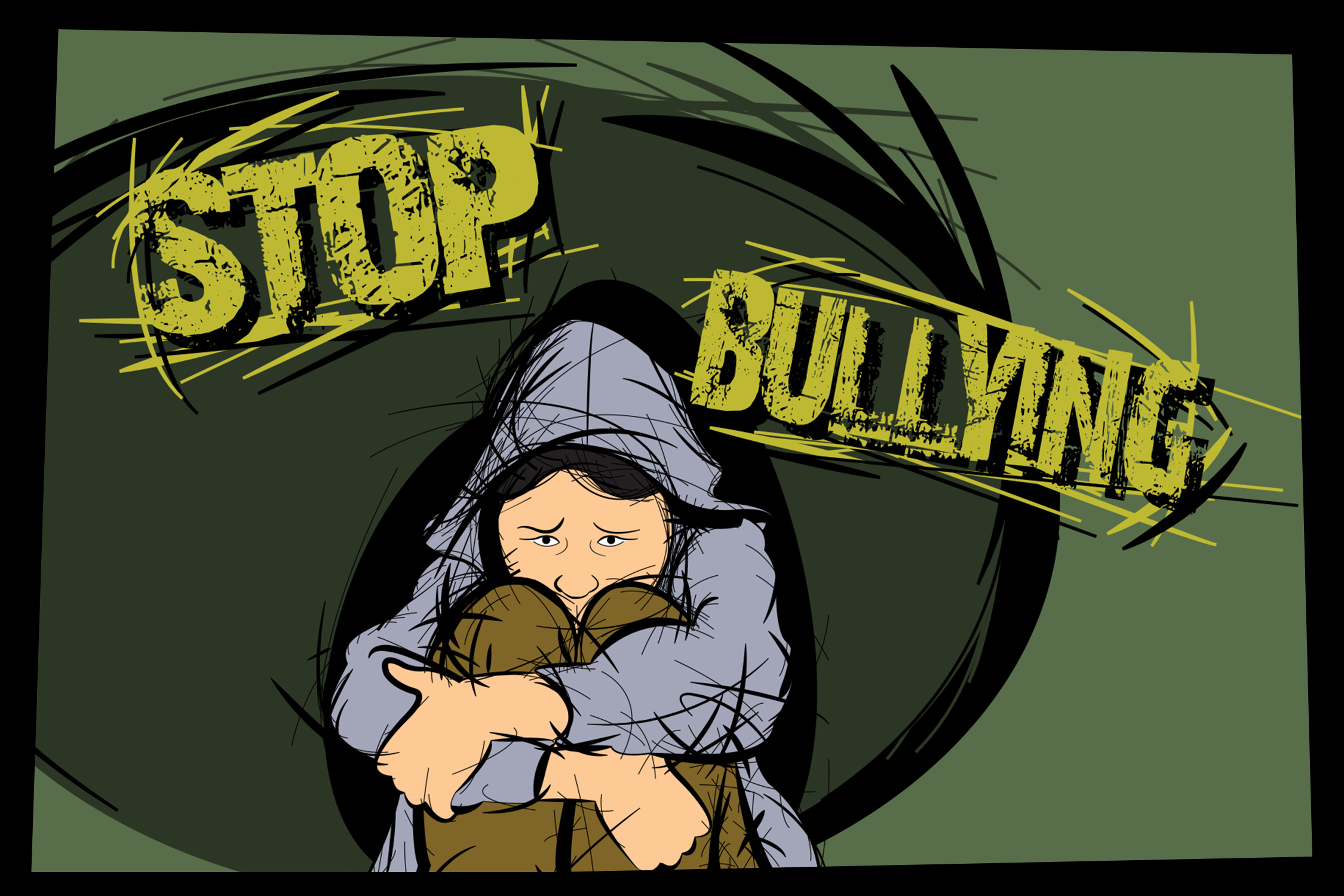
Students Taking Their Own Lives Because of Bullying
Bullycide—a term that combines “bullying” and “suicide”—represents one of the most tragic outcomes of unchecked harassment. It occurs when a victim of persistent bullying sees no way out of their torment and takes their own life.
Very often, the victim who is being targeted and traumatized needs treatment. At times, they don’t receive the treatment they need because people in authority don’t recognize them as a victim/target, or they don’t have the resources available to help this person. When this happens, it makes the person feel helpless and leads him or her to believe there’s no way out, and they commit what is called bullycide.
Understanding the Path to Bullycide
Being suicidal doesn’t mean that the person really wants to die. It is just a sign that the person has crossed the threshold of pain that he or she is capable of handling. Because of this very reason, it can safely be said that suicide is never an impulsive act. In fact, it’s the culmination of a long, drawn-out thought process—a stage where there is an imbalance of pain versus the willpower required to get through it.
It’s that point where the person feels he or she does not have a way out of the pain, just as described in this powerful statement from a bullying survivor:
“If you’re bullied for long enough, that’s going to go through your mind. You wake up in the morning and you just think, ‘I have to go face them again. I have to spend another eight hours in that prison.’ And you just don’t want to be there and no matter what you do, you can’t escape.”
This feeling of being trapped is what makes bullycide so dangerous. The victim sees school—a place that should be safe—as a prison from which there is no escape.
Why Victims Don’t Speak Up
From our ReportBullying.com statistics, many students commented stating “that if they spoke up to a teacher, nothing would be done anyway.” This belief that adults won’t help creates hopelessness that can lead to tragedy.
The Perfect Storm: Multiple Risk Factors
Besides the bullying-induced trauma, there usually is a combination of other factors in victims’ lives which exerts pressure on them and forces them to make this tragic decision to end their lives.
Common Contributing Factors
- Major family issues: Parental divorce, domestic violence, family conflict, loss of a family member
- Child abuse: Physical, emotional, or sexual abuse occurring in the home
- Developmental challenges: The natural struggles of adolescence, identity formation, hormonal changes
- Mental health conditions: Depression, anxiety, PTSD, or other undiagnosed or untreated mental illnesses
- Substance abuse: Drug or alcohol addiction, either their own or family members’
- Social isolation: Lack of supportive friendships or trusted adults
- Academic pressure: Stress about grades, college, or future prospects
- LGBTQ+ identity: Struggling with sexual orientation or gender identity, especially without support
- Previous trauma: Earlier experiences of victimization or loss
All of these usually make victims feel lonely and isolated; effectively they withdraw into a shell away from their loved ones.
Bullying as the Final Straw
Any teenager who already has his hands full dealing with so many problems in life—to add bullying, especially cyberbullying, really proves to be the proverbial last straw. Their mind gets pushed into such a mess that ending their life seems the only way out of all the torment they are surrounded with. This bullying could become the trigger for them committing suicide.
Our sympathy extends to the families that have lost a child. Our hearts go out to the thousands of children who feel there is no way out. No words can ever comfort what has been lost, but it is our duty as adults to change everyone’s mind. We all need to be involved to stop bullying—it is our responsibility.
Warning Signs: Recognizing a Child at Risk
There are a number of signs to watch out for, some of which might be easy to spot whereas others might not be. A keen eye of a friend, parent, or anyone interacting regularly with the victim gets a number of opportunities to identify some of these signs:
Behavioral and Emotional Warning Signs:
- Wild mood swings
- Depressed mood that persists for days or weeks
- Loss of interest in activities that previously brought pleasure or interest
- Sudden bouts of hostility towards friends and family
- Significant weight changes (gain or loss)
- Memory lapses or difficulty concentrating
- Hallucinations or disconnection from reality
- Not sleeping at all or sleeping too much
- Fatigue or constant lack of energy
- Withdrawal from social activities and relationships
- Declining academic performance
- Increased risk-taking or reckless behavior
Critical Warning Signs of Immediate Danger
Besides these signs which are visible, there might be recurrent thoughts of death in the mind. Those close to the victim must be very vigilant and look out for any preoccupation with death and dying. These thoughts could be in his or her mind or could manifest in daily life where the potential victim might show symptoms such as:
Immediate Danger Signs – Call 988 Now:
- Sharing a desire to be dead or wishing they were never born
- Threatening to commit suicide, either directly or indirectly
- Making and discussing specific plans to commit suicide
- Harming themselves by mutilating, cutting, or burning parts of their body
- Giving away favorite possessions or precious items to others
- Talking about making final arrangements
- Saying goodbye to people as if they won’t see them again
- Searching online for methods of suicide
- Obtaining means to harm themselves (pills, weapons, etc.)
- Sudden calmness or happiness after a period of severe depression (may indicate they’ve made a decision)
I would like to believe that no one really wants to die, but when they are on this path, it’s because they are confused inside and don’t see a way out.
All the symptoms they show are a cry for help whereby they are trying to look out for someone who can recognize their trauma and help them out of it. If they can be extended a helping hand which guides them out of this quagmire of pain and trauma, their destructive path can be altered.
The Alarming Statistics
Bullycide Has Increased Over the Years:
- Suicide remains among the leading causes of death of children under the age of 14
- The suicide rate among 10 to 14-year-olds has grown more than 50 percent over the last three decades
- In many cases, bullycide occurred without anyone even knowing that the victims were being bullied
- Students who are both bullied and bully others show the highest risk for suicidal ideation
These statistics represent real children—sons and daughters, brothers and sisters, students and friends—who saw no other way to escape their pain. Behind every number is a family devastated by loss and a community that failed to recognize the danger in time.
The Silence That Kills: Why Victims Don’t Report
Many victims of bullying don’t speak up because they have this belief that speaking up is ratting, snitching, or tattling, and if they do that, things will only get worse. These words started in the jail system and have over the years filtered down into our school system: “If you speak up, you’re a rat or snitch.”
This toxic code of silence creates an environment where victims suffer alone, without support, believing that seeking help will bring retaliation rather than relief.
Dawn Marie Wesley: A Tragic Example
In Memory of Dawn Marie Wesley
Dawn Marie Wesley was a 14-year-old student from British Columbia. She took her own life due to escalated taunting and torture, and finally, after one threatening phone call from bully girls, this was the letter that she wrote to her mom and dad before committing bullycide:
“If I try to get help, it will get worse. They are always looking for a new person to beat up, and they are the toughest girls. If I ratted, they would get suspended and there would be no stopping them. I love you all so much.”
— Dawn Marie Wesley (Died November 10, 2000)
Dawn’s letter reveals the impossible position bullying victims find themselves in: speak up and face worse retaliation, or stay silent and continue suffering. When both options feel unbearable, some victims see death as the only escape.
Emmet Fralick: Quiet Kindness Silenced
In Memory of Emmet Fralick
Emmet Fralick, 14, shot himself in his bedroom because he was being bullied by classmates. Emmet was regarded as a quiet boy with a reputation for kindness to others.
Emmet’s story illustrates that anyone can become a victim of bullycide. Being kind, being quiet, being “good” doesn’t protect children from bullying or from the desperation that can lead to suicide.
The Paradigm Shift: From Reactive to Proactive
The most difficult part of making the paradigm shift is moving our emotions and reactive thought processes to focus on the proactive side. One of the biggest questions I get asked when speaking to parents is: “Should we educate students on what to do when they get bullied?”
Why Reactive Approaches Are Insufficient
There is nothing wrong with teaching people different angles of problem-solving, but if all you do is teach someone what to do after they have been victimized, then this becomes completely reactive. It seems like the right thing to do—teach our kids how to protect themselves.
However, bullies don’t pick on kids with high self-esteem; they pick on the weak so that they can control them. Teaching such kids to protect themselves becomes futile. They just don’t have the self-esteem or emotional resources to speak up or defend themselves effectively.
The Proactive Alternative: Universal Education
Victims feel alone, so educating victims as if they’re bystanders keeps them on the same team as the rest of the students instead of educating them on what to do as a single entity.
Students must be educated to:
- Speak up to a teacher when they witness bullying or have had a bullying experience
- Tell their parents when they’ve reported bullying to a teacher
- Understand that seeking help is brave, not “snitching”
- Recognize that adults are responsible for solving bullying problems
- Know multiple trusted adults they can turn to for help
The Role of Parents and Schools
It’s the parent’s responsibility to make sure the school follows through with the correct procedures. It’s the responsibility of the school to find out the whole picture without using their own value system. And it’s the parents’ role to work with the school system to resolve the behavioral problem.
When this system works—when students feel safe reporting, when parents advocate effectively, and when schools respond appropriately—bullycide becomes preventable.
What You Can Do Right Now
If You’re a Parent Concerned About Your Child
- Have regular, non-judgmental conversations about their day and friendships
- Watch for warning signs and take them seriously
- Create an environment where they feel safe disclosing problems
- Seek professional mental health evaluation if you’re concerned
- Work collaboratively with schools rather than assuming they’ll handle it alone
- Remove access to means of self-harm if your child is at risk
- Never dismiss suicidal statements as “attention-seeking”
If You’re an Educator
- Learn to recognize warning signs of both bullying victimization and suicidal ideation
- Take every report of bullying seriously and follow up consistently
- Create classroom cultures where seeking help is encouraged, not stigmatized
- Build individual relationships with students so you notice changes
- Know your school’s suicide assessment and intervention protocols
- Connect struggling students with counselors and mental health resources
If You’re a Student Who Is Suffering
- Please know that suicide is a permanent solution to a temporary problem
- The bullying will not last forever, even though it feels endless now
- There are adults who care and who will help if you give them a chance
- Seeking help is not weakness—it’s the strongest thing you can do
- Call 988 right now if you’re thinking about hurting yourself
- Talk to a parent, teacher, counselor, coach, or any trusted adult
- Text HOME to 741741 to reach the Crisis Text Line
Your life has value. Your pain is real, but it is temporary. Help is available. Hope is real. Please reach out. Call 988 now if you’re in crisis.
References:
[1] CNN Living, “Bullying victim: ‘I believed that I did not deserve to live'”, October 5, 2010 [2] Centers for Disease Control and Prevention, Understanding Suicide Fact Sheet 2010 [3] Centers for Disease Control and Prevention, Suicide Prevention Youth Suicide [4] School Advocacy Hamilton, Bullying kills, http://www.schooladvocacy.ca/left_level2/bullying_kill.html [5] School Advocacy Hamilton, Bullying kills, http://www.schooladvocacy.ca/left_level2/bullying_kill.html
Featured Speaker: Jim Jordan
President of ReportBullying.com
With 20 years of experience in bullying prevention and intervention, Jim Jordan has become a leading voice in addressing the tragic connection between bullying and suicide. He has authored 4 comprehensive books on bullying and is recognized by principals across the USA as the best School Anti-Bullying Speaker.
Jim’s presentations on bullycide provide critical education about warning signs, risk factors, and prevention strategies. His work has helped countless schools and communities move from reactive crisis response to proactive prevention that saves lives.
Book Jim Jordan for Critical Training