Creating Safer Schools Together
Effective Bullying Prevention Strategies for Schools
Practical solutions to combat bullying and create supportive, inclusive environments where every student can thrive.
Understanding the Silent Crisis in Our Schools
Bullying remains a serious and pervasive issue affecting students in every school across the country, yet it frequently goes unnoticed or unreported. Many children suffer in silence, feeling trapped, isolated, and helpless in the face of persistent harassment or intimidation. The emotional toll of bullying can be devastating, affecting not only academic performance but also long-term mental health, self-esteem, and social development.
As parents, teachers, administrators, and students, we share a collective responsibility to work together in creating safer, more supportive environments for everyone in our school communities. The good news is that bullying can be prevented and effectively addressed through consistent, evidence-based strategies that empower all stakeholders to take action. Here are comprehensive, practical approaches to prevent and combat bullying in our schools.
Important Reminder: Bullying prevention isn’t a one-time event—it’s an ongoing commitment that requires dedication from the entire school community. When we work together with consistent effort, real change happens.
Strategy 1: Encourage Open Communication
To begin with, fostering open communication is absolutely essential for effective bullying prevention. Children and adolescents need to feel genuinely comfortable and safe when talking about their feelings, experiences, and concerns. Without this foundation of trust, many incidents remain hidden until they escalate into serious situations.
Creating Safe Spaces at Home
Parents and guardians should intentionally create safe, judgment-free spaces at home where children can share anything without fear of punishment, dismissal, or ridicule. Make it a daily practice to ask thoughtful questions about their school day, social interactions, and emotional well-being. Pay close attention not just to their words but also to their body language, mood changes, and behavioral patterns.
If your child mentions a problem or concern, listen actively and attentively without immediately jumping to solutions or minimizing their feelings. Validate their emotions and offer unconditional support. This responsive approach helps children build the confidence and trust necessary to speak out about bullying situations when they occur, rather than suffering in silence.
School-Wide Communication Initiatives
Schools must establish multiple, accessible channels for students to report bullying concerns. This includes anonymous reporting systems, trusted adult networks, counselor availability, and peer support programs. When students know they have safe options for seeking help, they’re far more likely to come forward early before situations worsen.
Strategy 2: Implement Comprehensive Anti-Bullying Programs
Schools play an absolutely vital role in preventing and addressing bullying through systematic, well-designed programs. Simply having a policy isn’t enough—schools need active, engaging initiatives that involve the entire student body in creating positive culture change.
Interactive Workshops and Assemblies
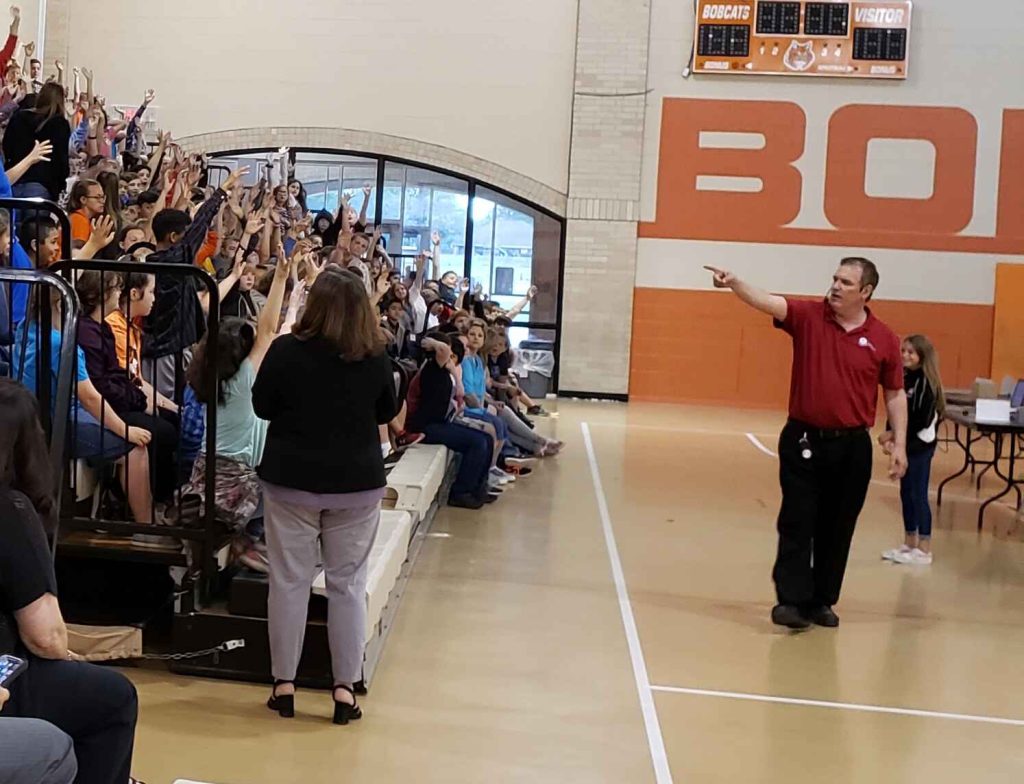
Implementing regular anti-bullying programs, workshops, and assemblies can dramatically foster a positive, respectful school culture. These shouldn’t be passive lectures where students zone out—they need to be interactive, engaging experiences that actively involve students in the learning process. Professional presentations that incorporate multimedia, real stories, and student participation create lasting impact that changes behavior.
Encouraging students to participate in role-playing activities, small group discussions, and scenario analysis helps them deeply understand how it feels to be bullied, how bystanders contribute to the problem, and the critical importance of standing up against harmful behavior. When students actively engage rather than passively listen, the lessons stick.
Year-Round Reinforcement
One assembly isn’t enough. Schools should integrate anti-bullying messages into daily activities, classroom lessons, hallway displays, morning announcements, and school-wide recognition programs. Consistency reinforces expectations and keeps the conversation active throughout the entire school year.
Strategy 3: Teach Empathy and Perspective-Taking
Teaching empathy represents one of the most powerful and important strategies to combat bullying at its root. Empathy—the ability to understand and share the feelings of others—naturally reduces harmful behaviors and increases prosocial, supportive actions.
Building Empathetic Understanding
Encourage children and students to actively see the world from others’ perspectives. Simple yet effective activities such as structured group discussions, literature circles that explore diverse experiences, community service projects, and collaborative problem-solving exercises can significantly help foster genuine understanding and compassion.
When students develop strong empathy skills, they become far less likely to engage in hurtful, bullying behavior themselves. More importantly, they become more likely to notice when peers are struggling, offer support to students being targeted, and stand up against injustice when they witness it.
Practical Empathy Activities
- Reading and discussing books that highlight different cultural experiences and challenges
- Watching age-appropriate videos showing the real impact of bullying on individuals and families
- Engaging in perspective-taking exercises where students imagine themselves in various situations
- Creating empathy maps that help students identify and understand others’ thoughts and feelings
- Participating in community service projects that expose students to different life circumstances
Strategy 4: Teach Effective Response Strategies
In addition to awareness and empathy, it’s absolutely crucial for students to know exactly how to respond effectively and safely when they witness or experience bullying situations. Knowledge without action leaves students feeling powerless and perpetuates the problem.
Empowering Students to Speak Up
Teach students the fundamental importance of reporting bullying incidents to trusted adults immediately. Students must understand that speaking up is a clear sign of courage and strength, not weakness or “snitching.” Many students remain silent because they fear social consequences, don’t know who to tell, or worry they won’t be believed or taken seriously.
It can be extremely helpful to role-play realistic scenarios so students can practice how to approach a teacher, counselor, administrator, or parent when they need to report a concern. Rehearsing these conversations in safe settings builds confidence and reduces the anxiety associated with reporting.
Multiple Reporting Options
Provide students with various reporting mechanisms to accommodate different comfort levels and situations. This might include face-to-face conversations, anonymous online reporting systems, written notes, trusted peer mentors, or designated safe adults throughout the building. The more accessible the reporting process, the more likely students are to use it.
Real-World Success: Peer Mentoring in Action
Real-world examples powerfully illustrate the genuine impact of these evidence-based strategies. Consider the transformative case of a middle school in New Jersey that implemented a comprehensive student-led peer mentoring program designed to combat bullying and build community.
In this innovative initiative, carefully selected and trained older students were intentionally paired with younger students to provide ongoing guidance, support, friendship, and positive role modeling. The older mentors received extensive training in active listening, conflict resolution, recognizing warning signs of bullying, and appropriate intervention techniques.
Measurable Results: This peer mentoring program not only helped dramatically reduce documented incidents of bullying by over 35% but also created lasting cross-grade friendships, improved overall school climate, increased reporting rates, and made the entire school environment significantly more inclusive, welcoming, and supportive for all students.
The success of this program demonstrates that when students are empowered to become part of the solution rather than passive bystanders, they take ownership of their school culture and actively work to protect and support one another. Schools across the country are replicating this model with similar impressive results.
Strategy 5: Empower Bystanders with the 3 Rs
Finally, it is critically important to encourage and equip bystanders to take appropriate, safe action when they witness bullying. Research consistently shows that many students witness bullying incidents but don’t know how to intervene safely or feel uncertain about what action to take. These bystanders represent an enormous untapped resource in bullying prevention.
The 3 Rs of Bystander Intervention
Recognize
Identify bullying behavior when you see it happening. Learn the signs and trust your instincts.
React
Stand up for the victim if it’s safe to do so. Show support and let them know they’re not alone.
Report
Always report the incident to a trusted adult. Reporting is responsible, not tattling.
Safe Intervention Techniques
Teach students practical intervention strategies that prioritize everyone’s safety. When they recognize bullying, they can react by standing next to the victim, inviting the victim to leave with them, verbally disagreeing with the bully’s behavior if safe, or immediately seeking adult help. After intervening or witnessing an incident, they must always report what happened to an adult.
Empowering bystanders through education and practice can significantly reduce bullying incidents as it creates a powerful community of caring individuals who actively look out for one another. When bullying becomes socially unacceptable among peers, the culture shifts dramatically.
Building a Culture of Respect and Kindness
In conclusion, effectively combating bullying requires a united, sustained effort from parents, teachers, administrators, and students working together toward shared goals. By consistently encouraging open communication, implementing engaging school programs, teaching genuine empathy, providing effective response training, and empowering bystanders to act, we can create significantly safer, more supportive school environments for everyone.
Let’s work together with commitment and consistency to build a lasting culture of respect, kindness, inclusion, and mutual support where every student feels safe, valued, and empowered to reach their full potential.
Need an Anti-Bullying Speaker?
Transform your school culture with a professional anti-bullying assembly that creates real, lasting change. Our proven programs combine education, empowerment, and practical strategies.
Visit ReportBullying.comFeatured Speaker

Jim Jordan
President of ReportBullying.com
With over 20 years of dedicated experience in bullying prevention and intervention, Jim Jordan has established himself as America’s premier anti-bullying speaker. As the author of four influential books on bullying prevention, Jim brings both expertise and passion to every presentation.
Recognized by principals across the United States as the best school anti-bullying speaker in the nation, Jim has impacted hundreds of thousands of students through his dynamic, engaging assemblies. His programs combine research-based strategies with real-world applications that resonate with students, educators, and parents alike.
Jim’s unique approach empowers students to become upstanders rather than bystanders, creating lasting cultural change in schools nationwide. His presentations are known for being memorable, actionable, and transformative.
Contact Jim Now